


Do you know some protective measures for the use of wires and cables?
Release Date:2021-07-24 Author: Click:
In the modern high-tech world, cables are more than just four pairs of wires that connect electronic objects to each other in a housing. In fact, most connections today rely on shielded and unshielded cables. So, what is the difference between shielded and unshielded cables? Now, let’s talk to you in detail.
The difference between shielded cable and unshielded cable
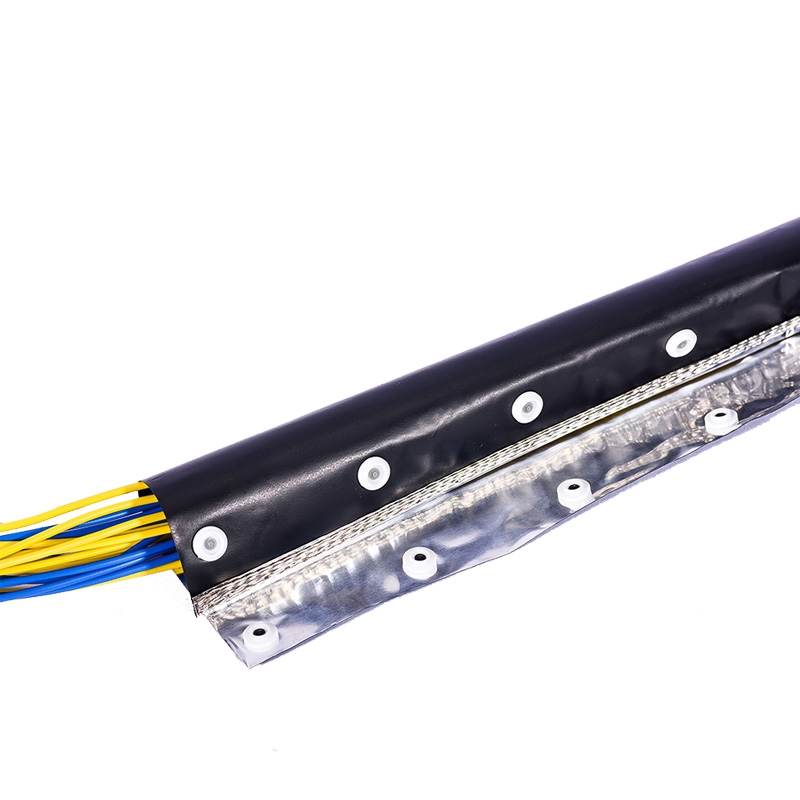
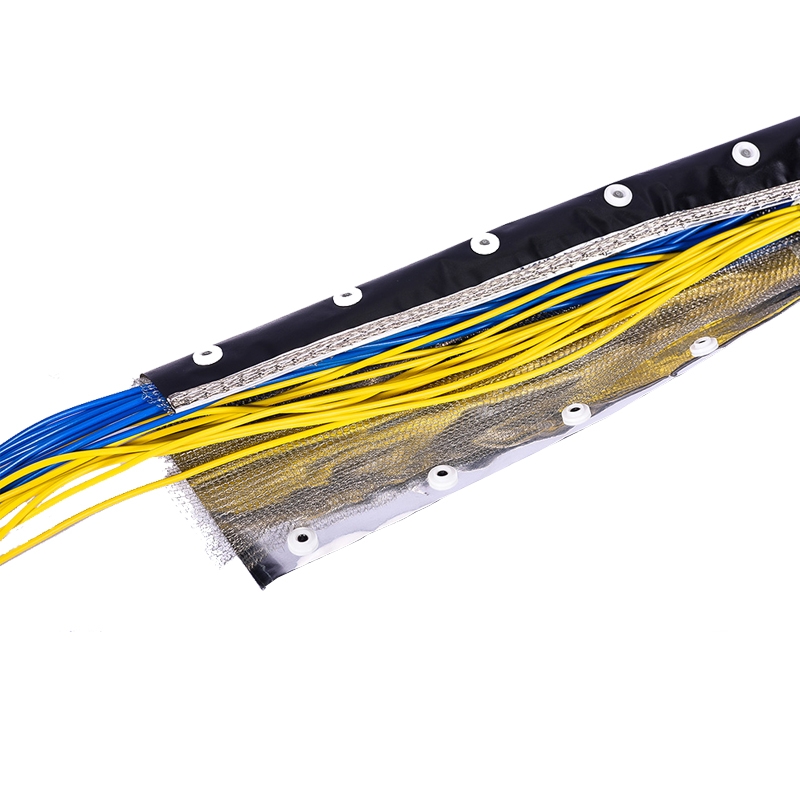
1. The difference in appearance: The visual difference between a shielded cable and an unshielded cable is that the shielded cable has a metal mesh and film; the unshielded cable does not.
Each pair of wires in a shielded twisted pair cable (STP) is wrapped in foil to reduce radiation, and then wrapped again to provide double protection;
An unshielded twisted pair cable (UTP) twists each pair of wires together, consisting of multiple cores and a plastic sheath, and then winds these wires in a pipe without any other protection.
2. The combination of shielded cables and shielded crystal plugs can effectively prevent electromagnetic radiation interference from other high-power electrical appliances and strong power sources around, and greatly reduce the bit error rate of signal transmission.
Unshielded cables, due to the different materials and conductor structures used in their jackets, lead to the strong and weak interference of unshielded cables.
3. The ease of installation is different: shielded cables can reduce interference, but its installation requires special connectors that support shielding functions and corresponding installation techniques. Therefore, the installation of shielded cables is more difficult than unshielded cables.
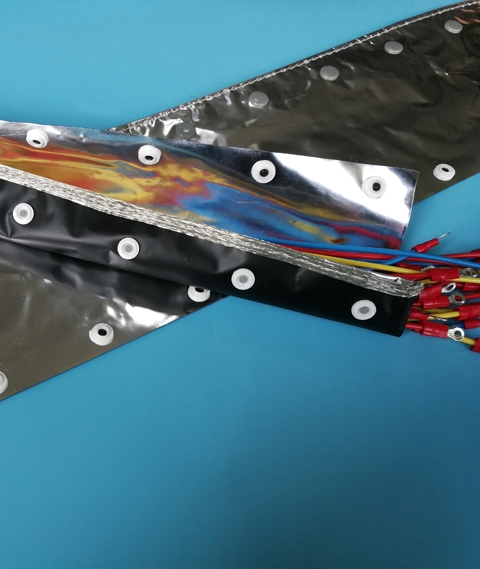
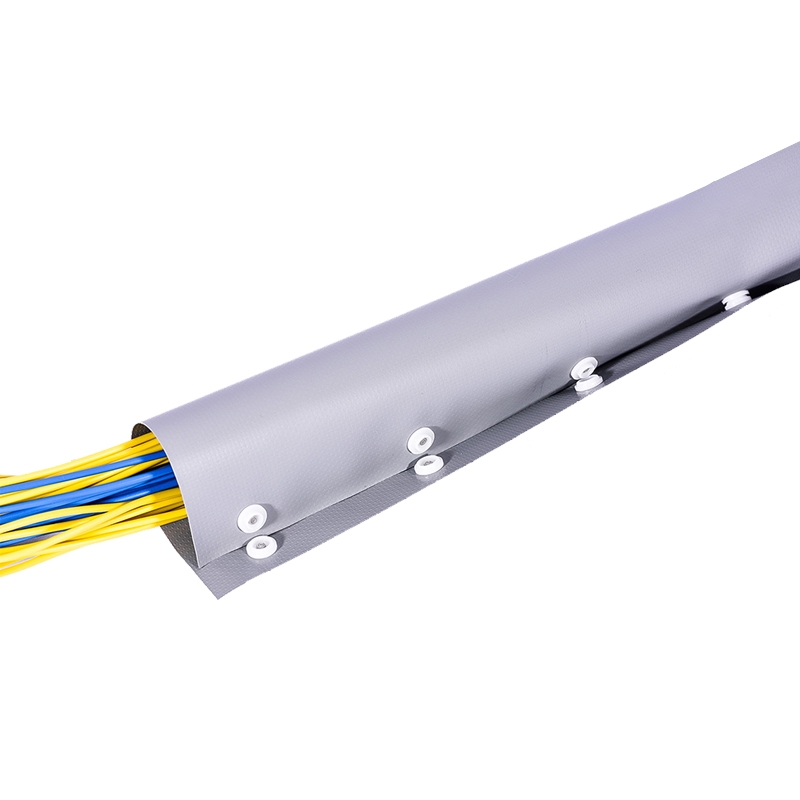
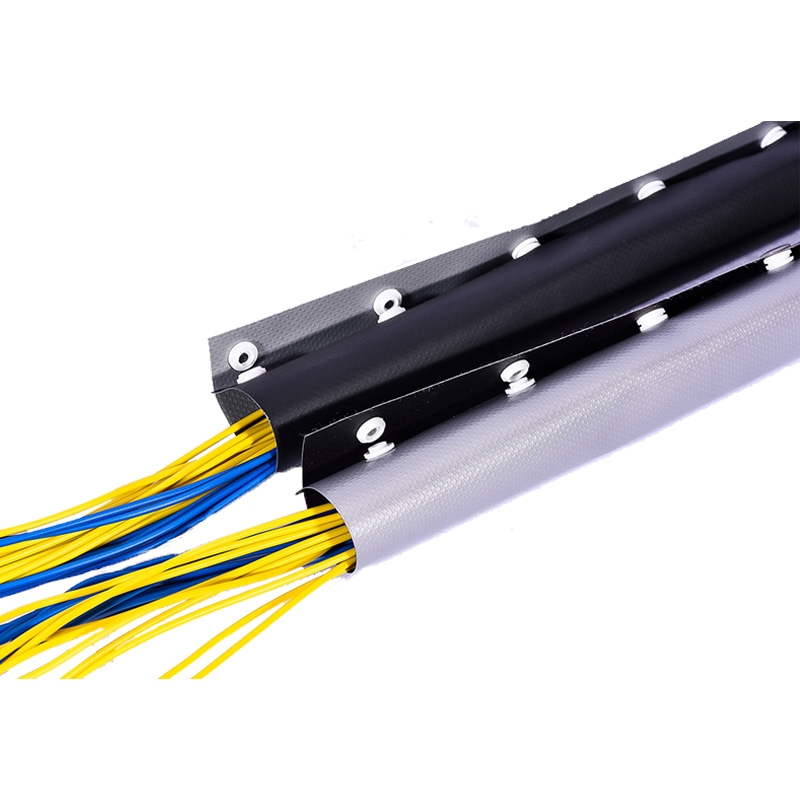
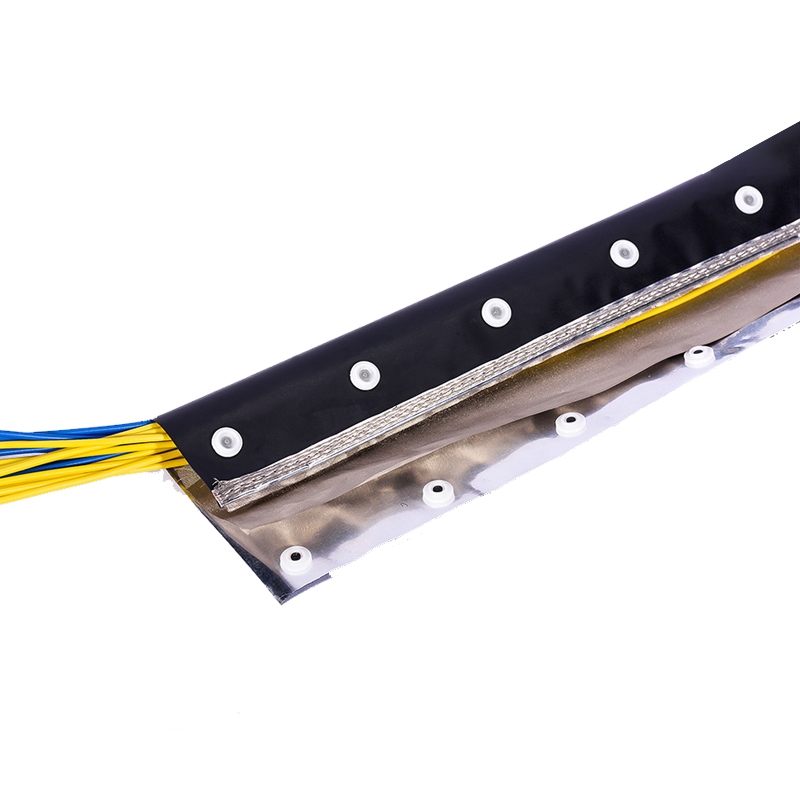
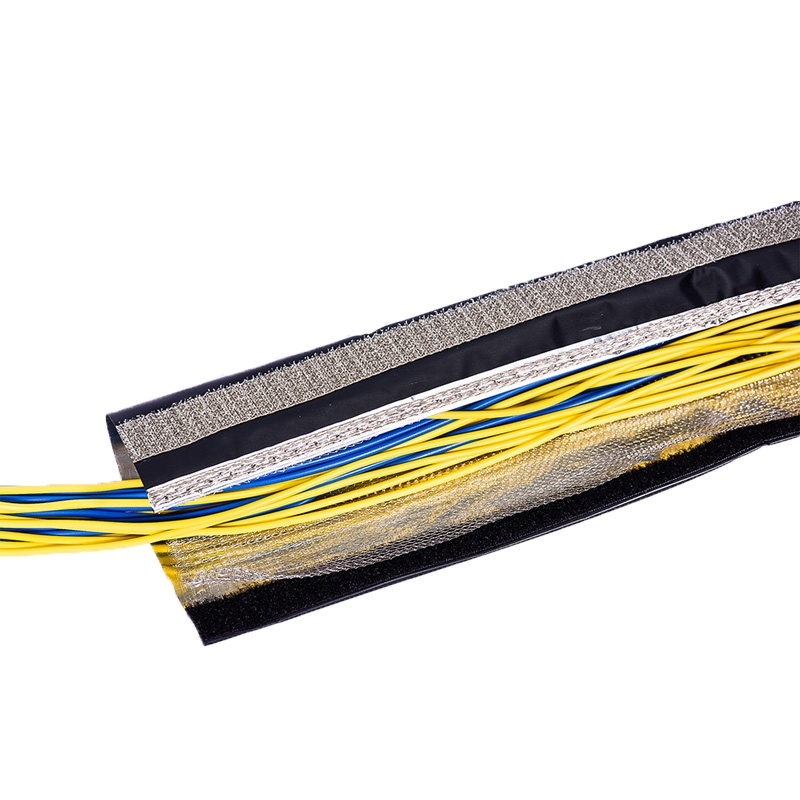
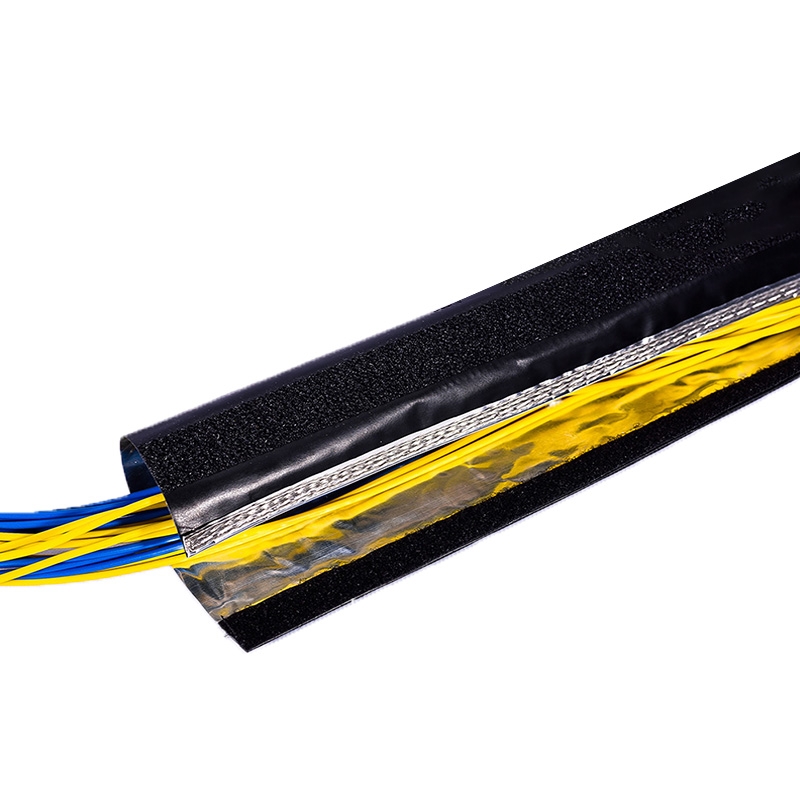
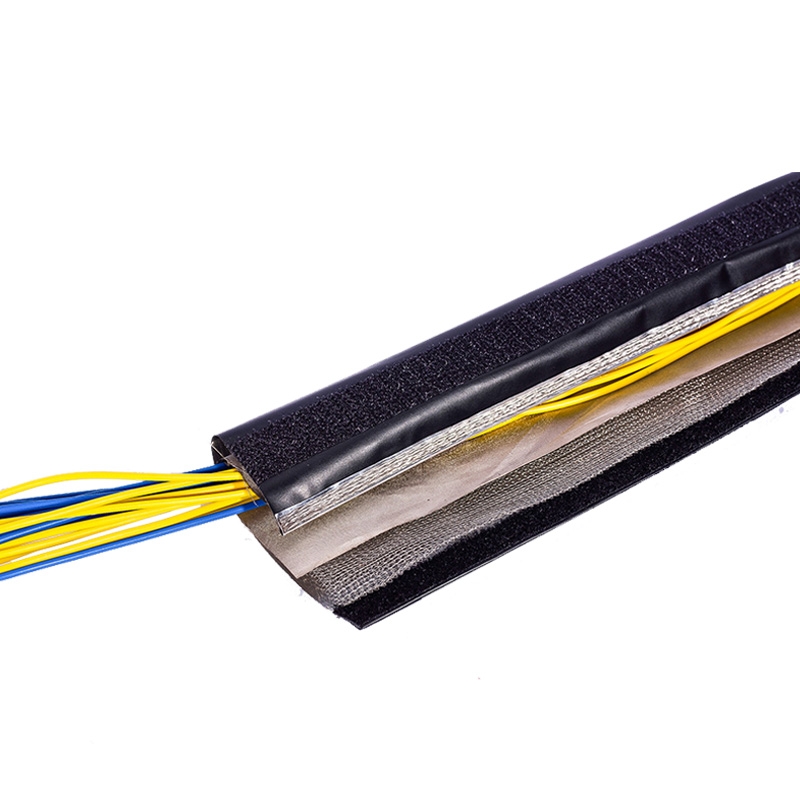
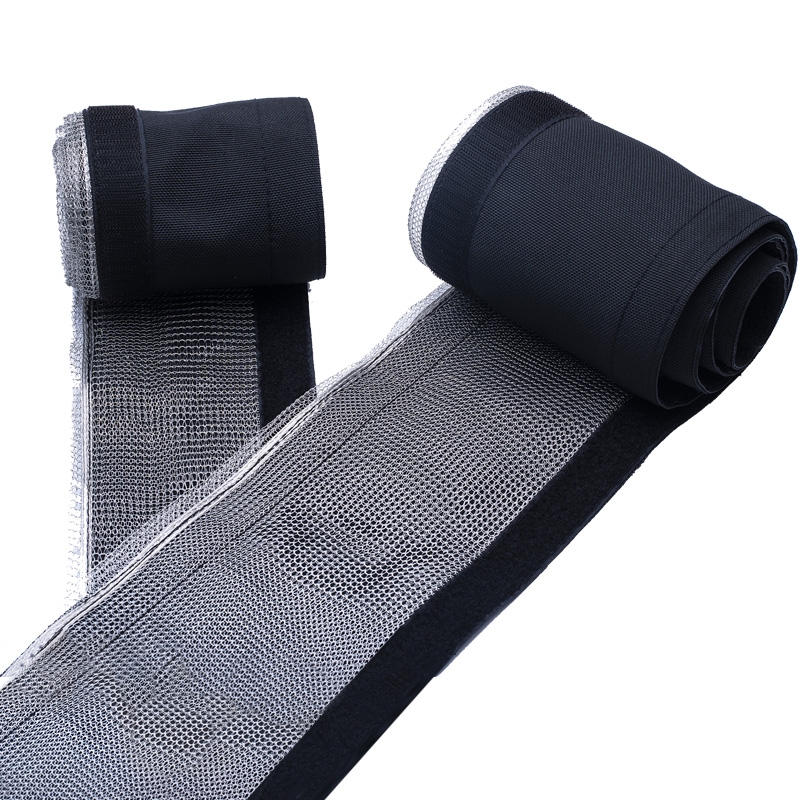
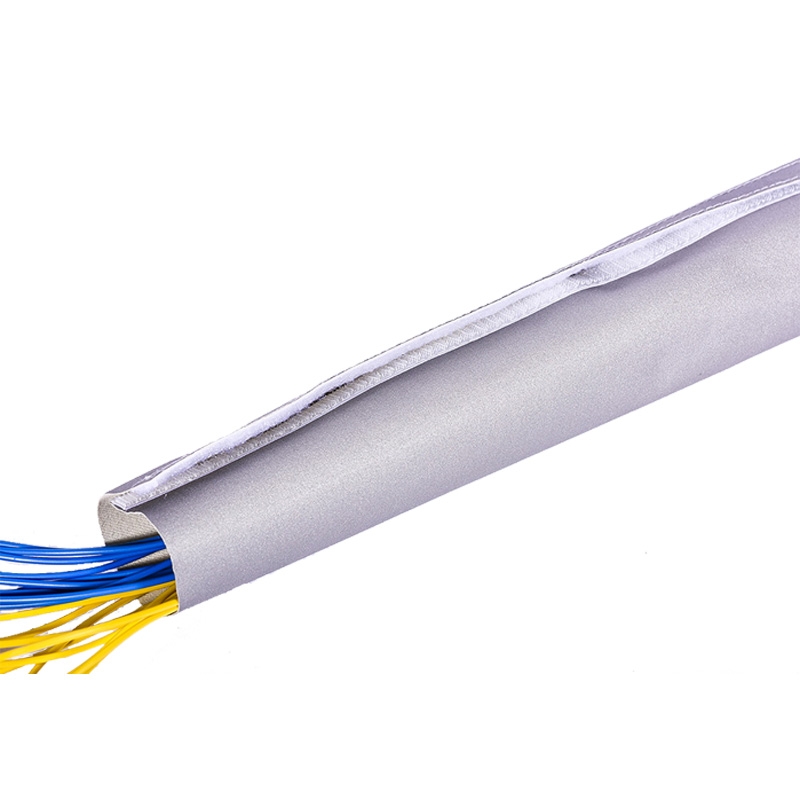
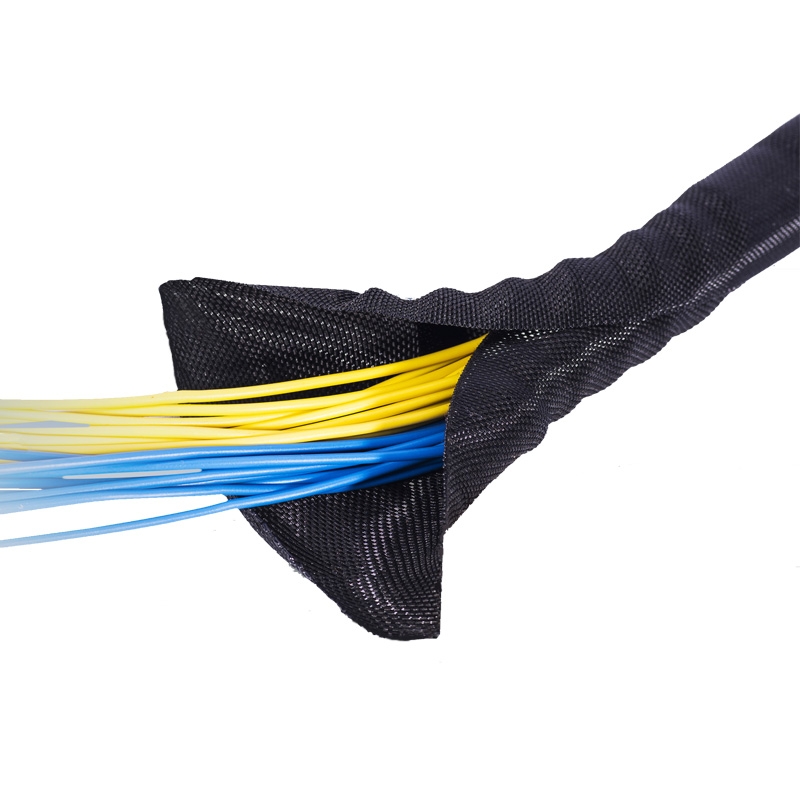
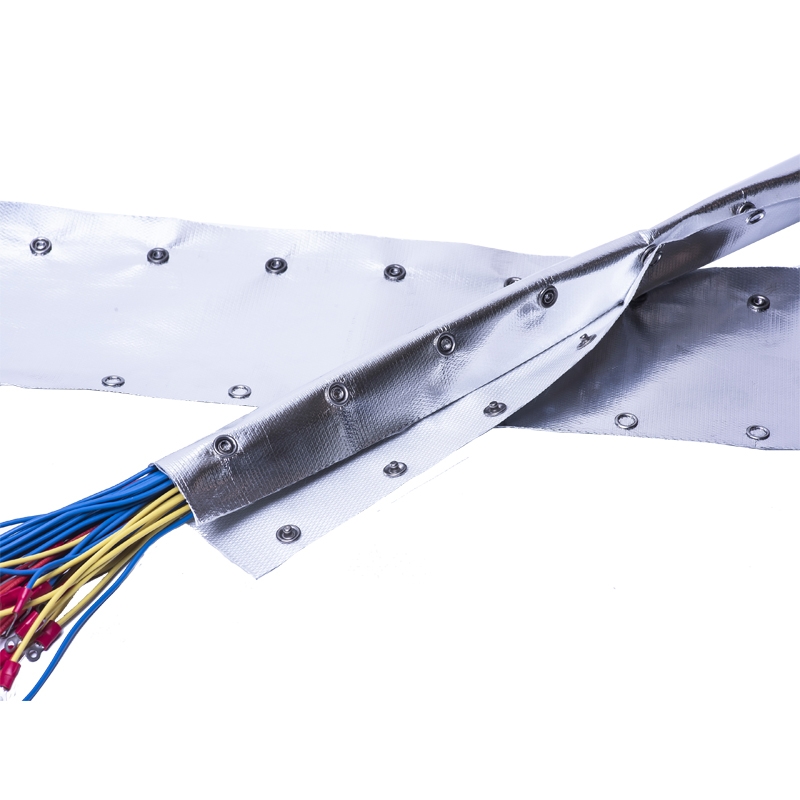
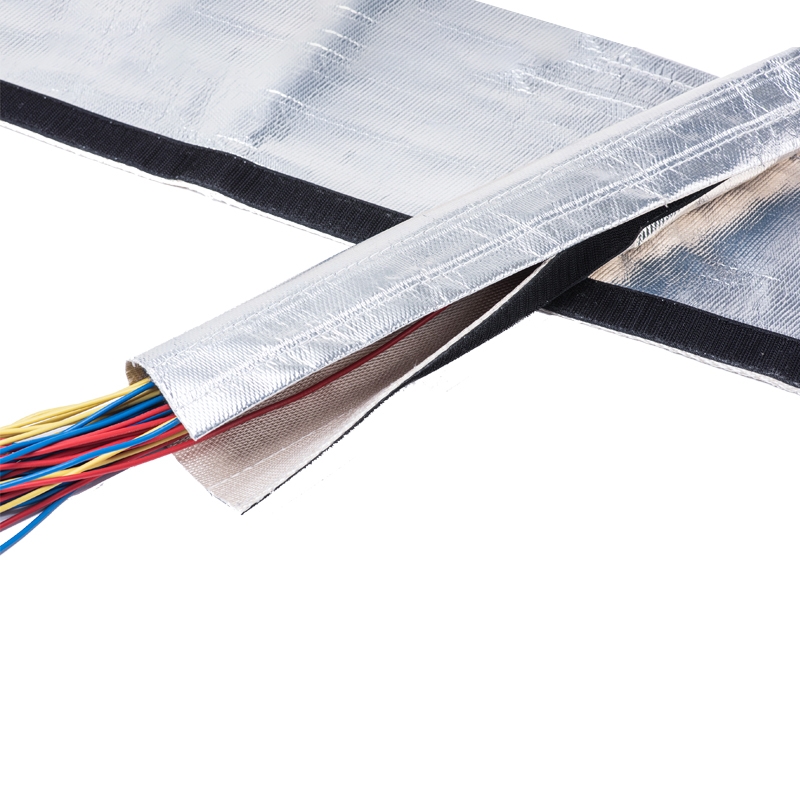
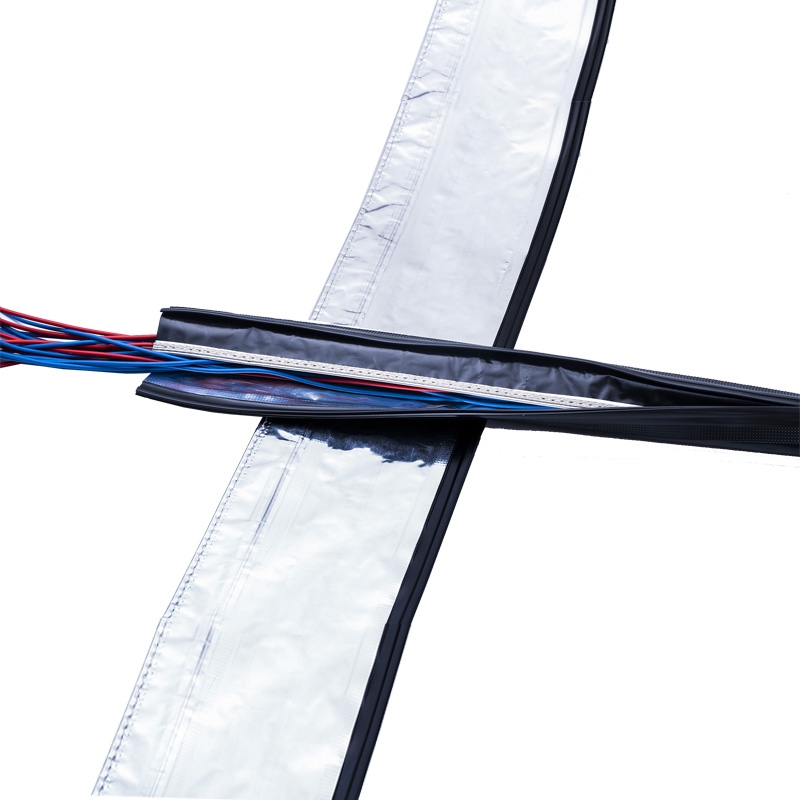
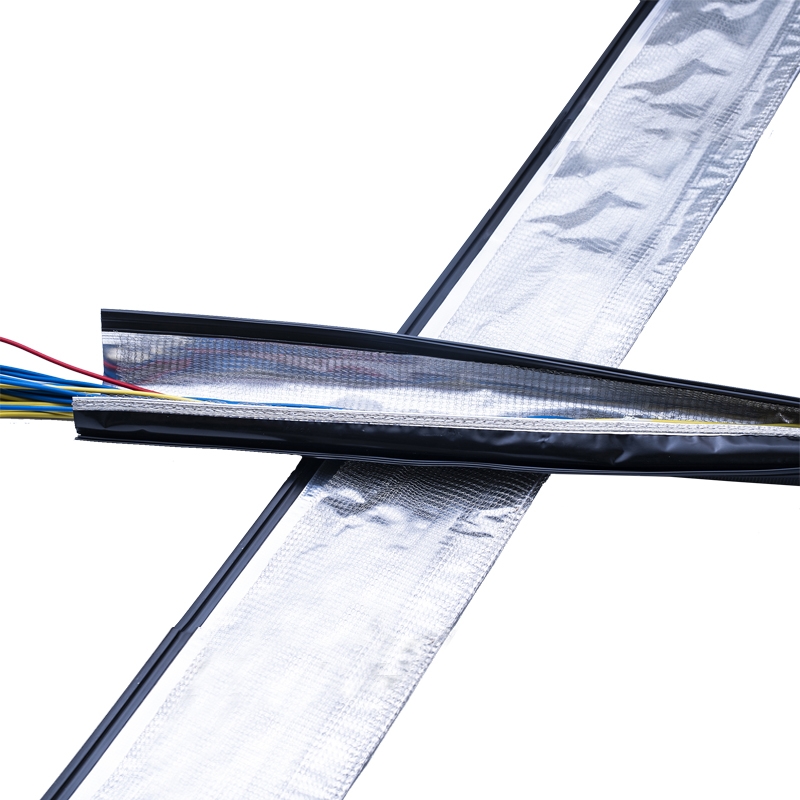
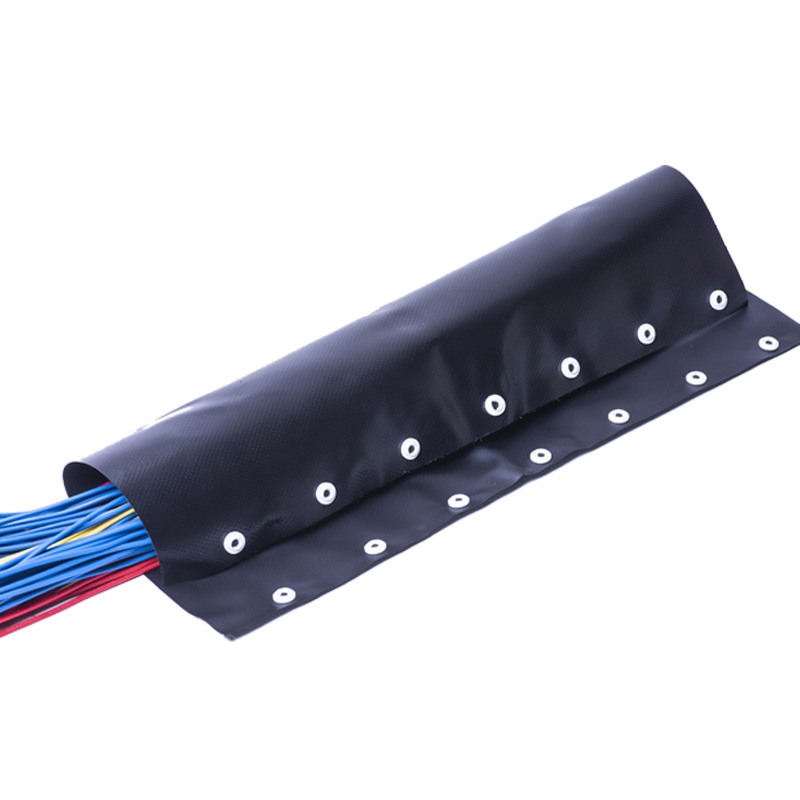
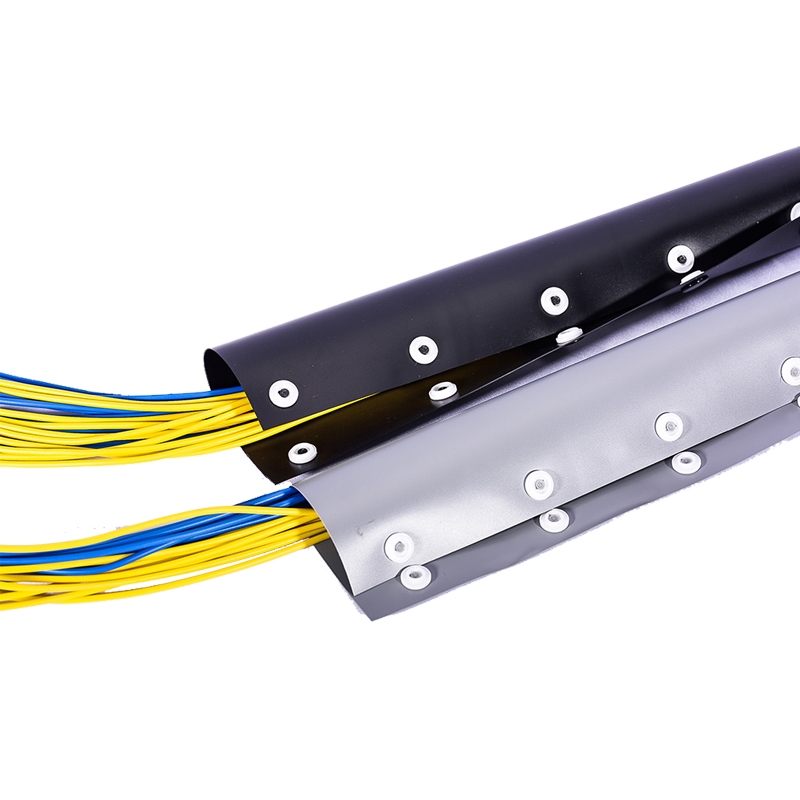
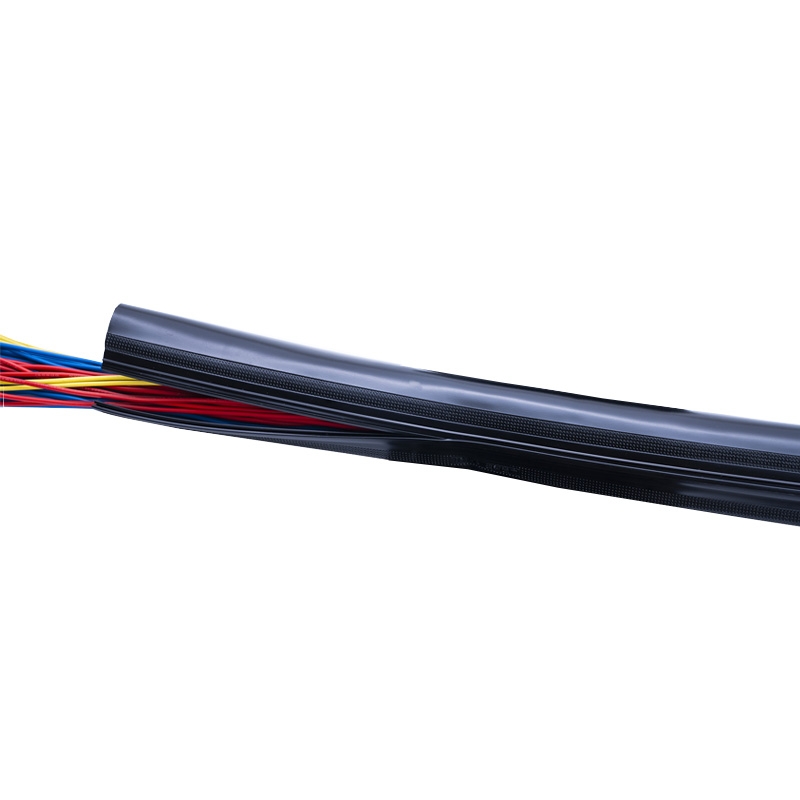
Shielded button casing LPC
Safety requirements
1. When the cables cross each other, the high-voltage cables should be under the low-voltage cables. If one of the cables is protected by a pipe or separated by a partition within 1m before and after the intersection, the minimum allowable distance is 0.25m.
2. When the cable is close to or crossing the heating pipe, if heat insulation measures are provided, the minimum distance between the parallel and the crossing is 0.5m and 0.25m respectively.
3. When the cable crosses the railway or road, it should be protected by a pipe. The protective pipe should extend 2m beyond the track or road.
4. The distance between the cable and the building foundation should be able to ensure that the cable is buried outside the building's water; when the cable is introduced into the building, it should be protected by a pipe, and the protective pipe should also be beyond the building's water.
5. The distance between the cables directly buried in the ground and the grounding of the general grounding device should be 0.25~0.5m; the buried depth of the cables directly buried in the ground should generally not be less than 0.7m, and should be buried under the frozen soil layer.


